
Online coding classes for kids, ages 8–14
GradeNext offers project-based online coding classes for kids ages 8–14, taught one-on-one by engineer-mentors. Students progress from block-based coding to real Python, web development and AI projects, building and shipping their own apps. Classes are personalized to each child’s level, with courses from $199, and families can start with a 14-day free trial.
No credit card needed. Cancel anytime.
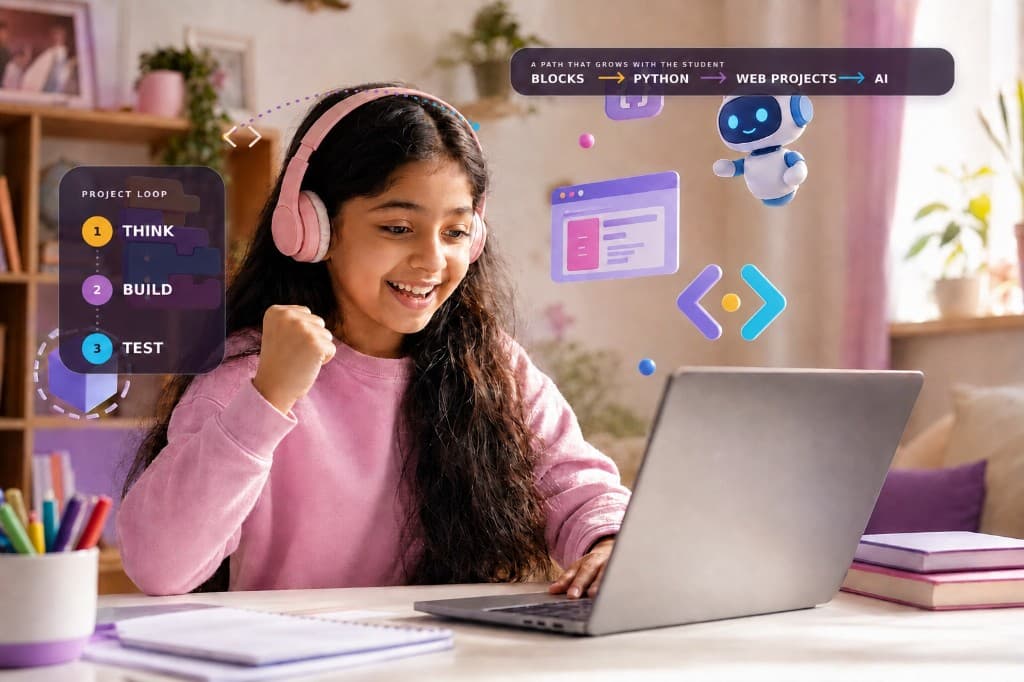
What your child will learn
GradeNext coding follows a clear pathway that grows with your child. Each stage builds on the last, so kids never hit a wall between “fun” coding and “real” coding.
Block coding
Drag-and-drop blocks teach sequences, loops, conditions and events through games and animations — no typing required.
Python
Kids move to real typed code: variables, functions, lists and logic, applied to games, quizzes and small tools.
Web development
Students build websites with HTML, CSS and JavaScript, learning layout, interactivity and how the web works.
AI agents
Older and advanced students create AI-powered projects like chatbots and helpers, and learn how to use modern AI responsibly.
Mentors place each child on the pathway based on age, experience and confidence, and move them forward when they’re ready — not when a calendar says so.
Real projects, not just theory
Every GradeNext coding course is built around projects kids can show off. Here are a few built by real students:
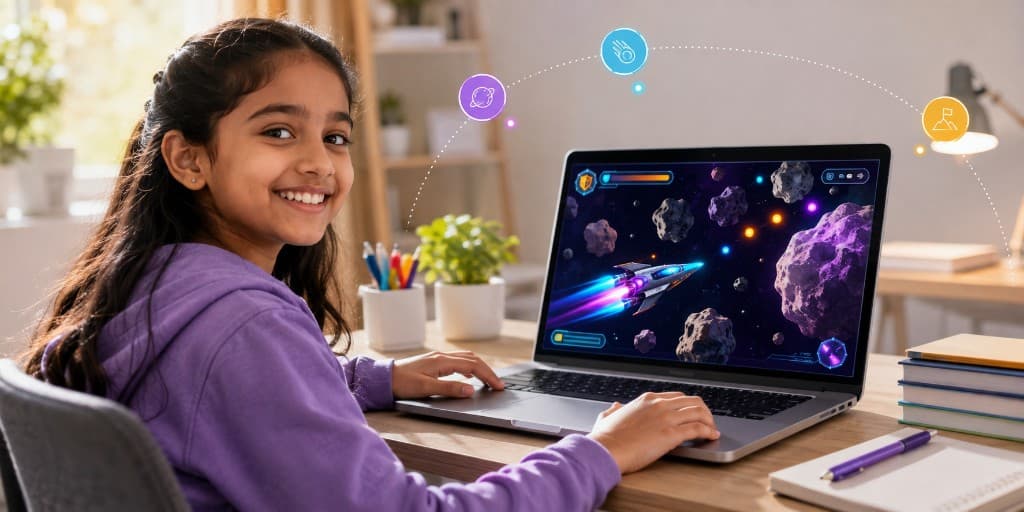
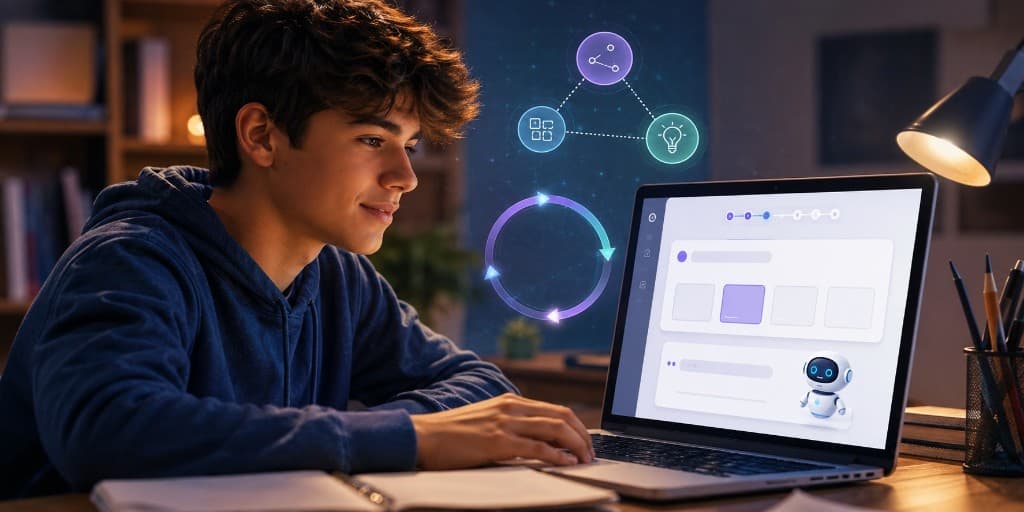
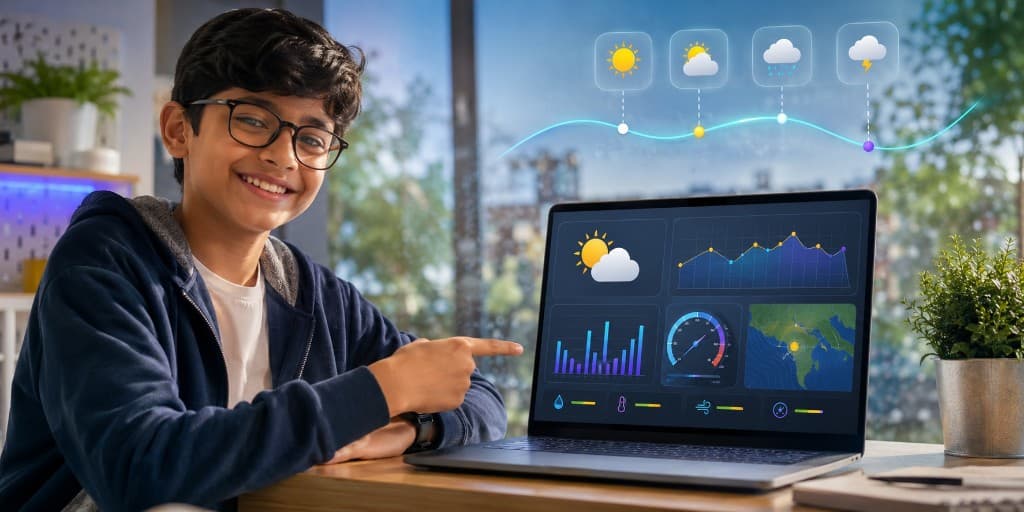
The goal isn’t to memorize syntax — it’s to think like a builder: plan an idea, write the code, test it, fix what breaks and share the result. Ava built her Space Explorer game in week two of her course, and many students have their first working project within a few weeks.
Taught 1:1 by engineer-mentors
GradeNext coding classes are led by people who build software for a living. Our programming mentors include:
Ummiyah Nasim
Engineering Manager at Mercari Japan. Leads GradeNext’s AI and programming path — from block coding to Python, web apps and AI agents.
Rahmatullah Ahmad
DevOps Engineer at Rakuten Japan. Helps students take projects from their laptop to reliable servers and the cloud.
Naushad Ahamad
Founder of Robust Softech. Mentors students in building modern web products and using AI in practice.
Pranshu Mishra
AI & Programming Specialist with a B.Tech in AI & Mechatronics Engineering. Makes AI and programming easier to grasp through hands-on projects.
Learning from working engineers means kids pick up real-world habits — readable code, patient debugging and breaking big problems into small steps. Meet all GradeNext mentors.
Why 1:1 beats big group coding classes
Their pace, not the class’s
In a group class, kids who get it fast wait and kids who don’t fall behind. 1:1 sessions move exactly as fast as your child learns.
Full attention on their code
A mentor sees every line your child writes, catches misunderstandings immediately and explains bugs before frustration sets in.
Confidence to ask anything
Many kids won’t ask questions in front of a group. One-on-one, they speak up, try ideas and take on bigger challenges.
Coding is a skill where small misunderstandings snowball. Personal attention early on is what turns a curious beginner into a confident young developer.
Ages & levels
Ages 8–10
Most children start with block coding to learn logic, loops and events through games and stories, then take their first steps into Python once reading and typing feel comfortable.
Ages 11–14
Kids at this age typically move into Python projects, build websites with HTML, CSS and JavaScript, and begin exploring AI projects with a mentor’s guidance.
Every child is different — a confident 9-year-old may be ready for Python, while a 13-year-old beginner may start with blocks for a few weeks. Mentors match the level to the child, not the birthday.
Pricing & how to start
Coding courses at GradeNext are one-time purchases — no subscription. Each course has a fixed number of live sessions and a fixed price.
- Focused 15-session courses such as Automation, Vibe Coding and Agentic AI start at $199.
- 50-session foundation courses such as Block Coding Level 1, Python Stage 1 and Web Development Stage 1 are $499.
- Advanced plan families ($199/month Regular Subjects plan) get 10% off any programming course.
Browse every track and course on the Coding for Kids program page, or compare coding course prices. Not sure where to start? Book a demo and we’ll help you choose the right first course.
Learn more about GradeNext
Frequently asked questions
Ready to build their first real app?
Start with a 14-day free trial, or book a demo to find the right first coding course for your child.
No credit card needed. Cancel anytime.